


80% of Sports Brain Injuries go unrecognized and undetected.
The Don’t Ask, Don’t Tell policy in sports is rampant. There is a reluctance by players to report potential Sports Brain Injuries and a lack of training and resources by coaches and athletic trainers to detect and quantify these impacts. Players may feel pressure to shake it off when they are hurt and to persevere in the face of pain for personal or team glory. Plus, coaches and trainers are not trained nor do they have the tools required to monitor and track potentially harmful impact events. Injuries then go undetected and players are allowed to continue to play, though already exposed to dangerous impacts.
Key facts:
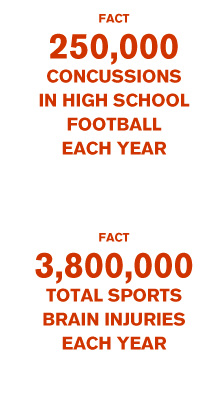
- The CDC estimates that more than 3.8 million Sports Brain Injuries occur each year.
- 300,000 of these Sports Brain Injuries will result in a loss of consciousness.
- More than 250,000 concussions occur in high school football each year.
- If a Sports Brain Injury is undetected, it may result in Second Impact Syndrome.
- Second Impact Syndrome is a rare condition that occurs when a 2nd concussion occurs before a 1st concussion has properly healed causing rapid and severe brain swelling and often catastrophic results that could lead to permanent disability or death (BrainandSpinalcord.org).
Concussions in the media
Signs of a Concussion
With Dr. Manny: I think my son might have a concussion. What are the signs?
video.foxnews.com
Lawsuit: NFL Hid Concussion Risks
A group of 75 players and their wives claim the NFL has known about the harmful affects of concussions since the 1920’s.
www.dailymotion.com
Concussion legislation resurrected by NDP
NDP MP Glenn Thibeault holds a press conference in Ottawa Tuesday to discuss his private member’s bill calling for a national strategy to reduce the number of concussions in amateur sport. (Sean Kilpatrick/Canadian Press)
www.cbc.ca
It’s A Whole New Game
Nine months after losing its most important star to a concussion, the NHL, led by a proactive new dean of discipline who is well acquainted with head injuries, has rededicated itself to the protection of its players.
www.sportsillustrated.cnn.com
Concussion resources
Get smart about concussions. Learn how to better understand and identify concussions:
www.cdc.gov
www.brainandspinalcord.org
Lystedt Law
Available soon.
The Impact Detection System is currently available on a limited, pre-production basis. Market launch is planned for 2012.

Keep in touch.
Find us on Facebook for the latest updates and news about all of our products.
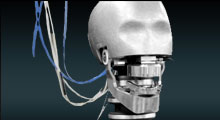
Smash-lab tested.
Independent tests at Southern Impact Research Center validate the Impact Detection System.
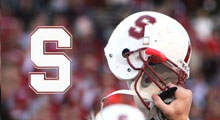
Stanford University.
The Stanford University football team is testing the Impact Detection System.

Make an impact.
Join the fight – sponsor a team and help keep concussions out of the game.